The Best Time to Eat a Banana May Depend on What Your Body Needs
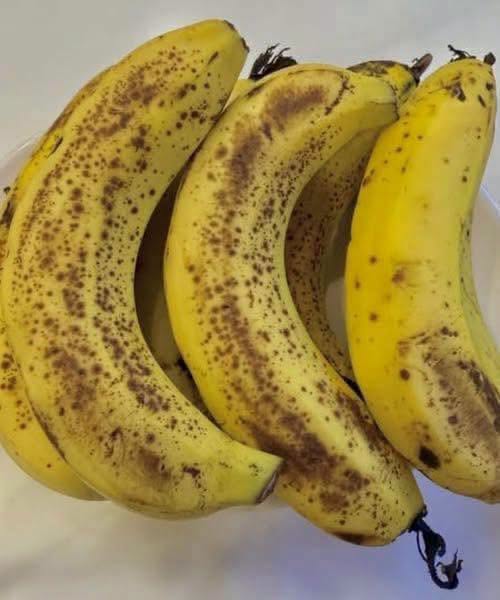
As a banana ripens, its starches gradually break down into simpler sugars.
That’s the reason a ripe banana tastes sweeter than a firm one.
This can make ripe bananas particularly useful when you want a naturally sweet ingredient for foods such as smoothies, oatmeal, or homemade baked goods. Their softer texture also makes them easy to mash and incorporate into recipes.
For people who enjoy exercising, a ripe banana can also be a convenient source of carbohydrates before or after physical activity.
But it’s important not to think of a ripe banana as a special performance food. It’s simply one convenient carbohydrate-containing fruit that can fit into a balanced diet.
What About Blood Sugar?
This is where many online claims about bananas become overly simplistic.
A common myth suggests that eating a ripe banana automatically causes a dangerous blood sugar spike. The reality is more complicated.
Blood glucose responses depend on several factors, including the amount eaten, the banana’s ripeness, what else is included in the meal, and a person’s individual metabolism.
A ripe banana generally contains more readily available sugars than a less-ripe banana, but that doesn’t mean it needs to be avoided by everyone.
People managing diabetes or other blood sugar-related conditions should consider their overall dietary pattern and follow advice from their healthcare professional rather than relying on the ripeness of a single fruit.
Does a Brown-Spotted Banana Have More Antioxidants?
You’ll often see claims that heavily spotted bananas contain dramatically higher levels of antioxidants.
There is some evidence that ripening changes the antioxidant profile of fruit, but the effects are complex and shouldn’t be exaggerated.
The important takeaway is simple: bananas, like many fruits, contain beneficial nutrients and plant compounds. The exact nutritional profile can change as the fruit matures, but that doesn’t turn an overripe banana into a miracle food.
If the banana still looks and smells normal, brown spots on the peel generally indicate ripeness rather than spoilage.
Which Banana Should You Choose?
The best choice depends on what you enjoy and how your body responds.
Choose a firmer banana if:
- You prefer a less-sweet flavor.
- You enjoy a firmer texture.
- You want to include more resistant starch in your diet.
- You find less-ripe bananas work well for your digestion.
Choose a ripe banana if:
- You prefer a naturally sweeter snack.
- You want a soft texture for smoothies or baking.
- You need a convenient source of carbohydrates around physical activity.
- You enjoy the flavor of fully ripened fruit.
There is no universal rule that says everyone should eat bananas at exactly the same stage of ripeness.
The Bigger Picture
Perhaps the most important lesson is that nutrition rarely comes down to a single “perfect” food or a magical eating strategy.
A banana is still a banana.
Whether it’s slightly firm and mildly sweet or soft and covered in brown spots, it can be part of a balanced diet. What matters more is your overall eating pattern, portion sizes, activity level, and individual health needs.
So the next time you reach for a banana, don’t worry about choosing the “wrong” one.
If you like it firm, eat it firm.
If you prefer it sweet and soft, let it ripen.
The best banana is often simply the one you’ll enjoy eating as part of a varied, balanced diet.




0 comments:
Post a Comment