What Really Happens to Your Body When You Eat Beets Every Day? The Surprising Effects Scientists Are Still Studying
A Nutrient-Rich Vegetable
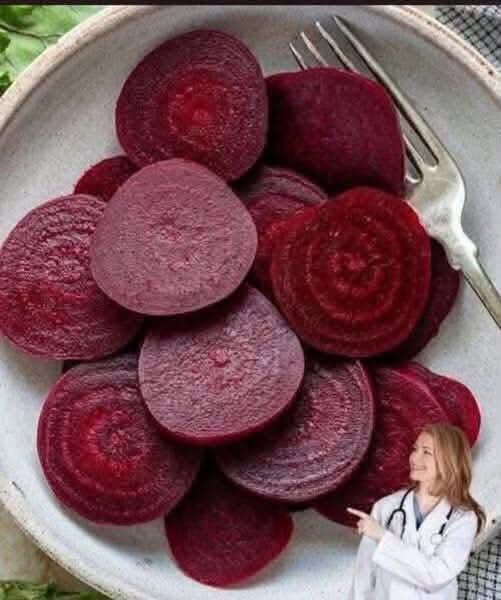
Beets contain a variety of nutrients, including folate, manganese, potassium, and dietary fiber. They also contain naturally occurring plant compounds called betalains, which are responsible for the vegetable’s characteristic red or purple color.
Betalains have antioxidant properties and are being studied for their potential role in supporting the body’s natural defenses against oxidative stress. While research into these compounds is ongoing, including a variety of colorful vegetables in your diet is generally considered a good way to increase your intake of beneficial plant compounds.
How Beets May Support Circulation
One of the most researched aspects of beetroot nutrition involves its naturally occurring dietary nitrates.
The body can convert these nitrates into compounds that contribute to the production of nitric oxide. Nitric oxide plays an important role in blood vessel function and helps regulate circulation.
Some research suggests that consuming nitrate-rich foods, including beetroot, may have a modest effect on blood pressure in certain people. The results can vary depending on factors such as the individual’s overall diet, health, and the amount consumed.
This does not mean that beets can replace prescribed treatment for high blood pressure. Anyone with hypertension or another cardiovascular condition should follow advice from a qualified healthcare professional.
Potential Benefits for Physical Performance
Beetroot has also attracted attention in sports and exercise research.
Because dietary nitrates may influence blood flow and the way muscles use oxygen, some studies have examined whether beetroot or beetroot juice can support exercise performance. Research has found potential benefits in certain types of endurance activities, although the effects are not identical for everyone.
For recreational exercisers, adding beets to meals can simply be another nutritious way to include vegetables in a balanced eating pattern. It should not be viewed as a substitute for proper training, adequate sleep, hydration, or a varied diet.
Supporting Digestive Health
Beets provide dietary fiber, which is important for normal digestion and regular bowel movements.
Fiber also contributes to a healthy gut environment by providing nourishment for beneficial microorganisms in the digestive system. Eating enough fiber from a variety of foods—including vegetables, fruits, whole grains, beans, and nuts—can support overall digestive health.
If your usual diet is low in fiber, increasing your intake gradually and drinking enough fluids may help your digestive system adjust comfortably.
What About Liver Health?
Beets contain compounds such as betaine, which has been studied for its role in normal metabolic processes. However, claims that beets can “detox” the liver or remove toxins from the body are often overstated.
The liver and kidneys already perform essential functions involved in processing and removing waste products. Eating nutritious foods can support overall health, but no single food can replace the body’s natural systems or serve as a guaranteed detoxification treatment.
A balanced diet, regular physical activity, limited alcohol consumption, and appropriate medical care are more meaningful components of long-term health.
Could Beets Benefit Brain Health?
Researchers have also investigated the relationship between dietary nitrates, blood flow, and cognitive function.
Because nitric oxide is involved in blood vessel regulation, scientists have explored whether nitrate-rich foods could influence blood flow to the brain. Some early studies have reported interesting findings, particularly among older adults, but more research is needed to understand the long-term effects.
For now, beets can be considered one nutritious food that may contribute to an overall diet supportive of healthy aging. Maintaining good cardiovascular health, staying physically active, getting adequate sleep, and keeping mentally engaged are also important for brain health.
Why Does Beetroot Change Urine or Stool Color?
One harmless effect that surprises many people is a temporary change in the color of urine or bowel movements after eating beets.
This phenomenon, sometimes called beeturia, can cause urine to appear pink or reddish. Beet pigments can also temporarily change the color of stool.
Although this can look alarming, it is often simply a result of the natural pigments in beets passing through the digestive system. However, if you notice unexplained blood in your urine or stool, it is important to seek medical advice rather than automatically assuming beets are responsible.
Are There Any Reasons to Be Careful?
For most people, beets can be enjoyed as part of a varied diet. However, individual circumstances matter.
Beets contain oxalates, so people who have been advised by a healthcare professional to limit dietary oxalates—particularly those with a history of certain types of kidney stones—may need personalized guidance about how much to consume.
Anyone with a medical condition, food allergy, or specific dietary restriction should speak with a qualified healthcare professional or registered dietitian for advice suited to their situation.
Easy Ways to Add Beets to Your Diet
There are many simple ways to enjoy beets:
- Roast them as a side dish with other vegetables.
- Add cooked beets to salads.
- Grate raw beets into slaws or vegetable salads.
- Blend cooked beets into smoothies in moderation.
- Add them to grain bowls with beans, greens, or whole grains.
- Try pickled beets as a flavorful addition to meals.
You don’t need to consume large amounts to benefit from their nutritional value. The most important principle is variety. Beets can be one of many nutrient-rich foods included in a balanced eating pattern.
The Bottom Line
Eating beets regularly can be a nutritious choice. They provide fiber, folate, minerals, and naturally occurring plant compounds that may support normal cardiovascular and digestive function. Research also continues to explore their potential relationship with exercise performance and cognitive health.
At the same time, it’s important to keep expectations realistic. Beets are not a cure-all, and they should not be promoted as a replacement for medical treatment or professional advice.
The best approach is to enjoy beets alongside a wide variety of vegetables, fruits, whole grains, and other nutritious foods. Small, consistent choices can contribute to a healthy lifestyle—and sometimes, one of the simplest additions to a meal can be a colorful vegetable that has been sitting quietly in the produce aisle all along.


0 comments:
Post a Comment