The Terrifying Truth Your Visible Veins Are Trying to Tell You Before It’s Too Late
One common condition is chronic venous insufficiency (CVI), which occurs when valves inside the veins do not function efficiently. These valves normally help move blood back toward the heart, but when they weaken, blood can pool in the legs and increase pressure inside the veins.
Over time, this may contribute to enlarged or varicose veins and other circulation-related symptoms.
Warning Signs You Shouldn’t Ignore
Visible veins may be worth discussing with a healthcare professional if they are accompanied by:
- Persistent leg pain or a feeling of heaviness.
- Swelling in the ankles or lower legs.
- Skin discoloration around affected veins.
- Itching or irritation near enlarged veins.
- Veins that become unusually swollen, tender, or warm.
- Slow-healing sores or ulcers near the ankles.
- Sudden swelling in one leg, especially if associated with pain or redness.
These symptoms may indicate an underlying circulatory condition requiring evaluation and treatment.
Looking Beyond Cosmetic Changes
Many people think of varicose veins as purely cosmetic, but they can sometimes reflect changes in blood flow that deserve medical assessment.
Healthcare providers may recommend a physical examination and, when appropriate, an ultrasound study to evaluate vein function and identify potential circulation problems.
Early evaluation can help guide treatment options and reduce the risk of complications in individuals with significant venous disease.
Supporting Healthy Circulation
Simple lifestyle habits can promote vein health and overall circulation:
- Stay physically active with regular walking or exercise.
- Avoid prolonged sitting or standing whenever possible.
- Maintain a healthy body weight.
- Elevate your legs periodically after long days.
- Wear compression garments if recommended by a healthcare professional.
- Follow a balanced diet and stay hydrated.
These measures may help reduce discomfort and support normal blood flow.
Paying Attention Without Panicking
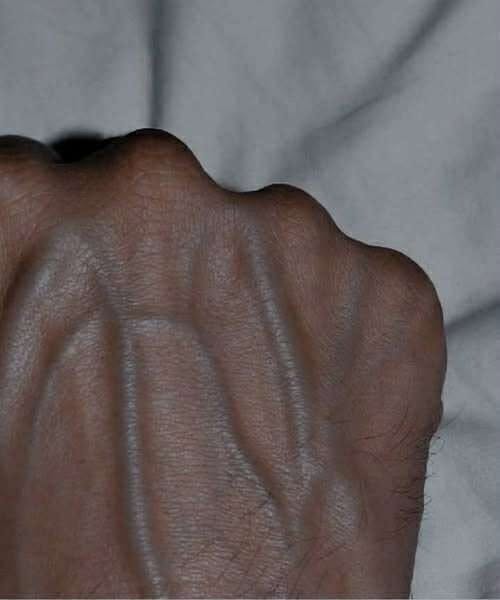
For most people, visible veins are simply a normal variation influenced by genetics, aging, skin type, or physical activity. They often require no treatment at all.
The key is to pay attention to accompanying symptoms rather than appearance alone. Persistent pain, swelling, skin changes, or sudden one-sided symptoms deserve prompt medical evaluation, while isolated visible veins are frequently harmless.
Listening to your body, seeking professional advice when needed, and focusing on overall vascular health can provide both peace of mind and early detection of potential issues.
Have you ever noticed changes in your veins and wondered whether they were normal? Share your experience in the comments and encourage others to prioritize informed, proactive health decisions.




0 comments:
Post a Comment